Color and material decisions shape both the look and the cost of a private-label footwear line, and they are best settled before the first sample round rather than during it. Buyers who arrive with a clear seasonal palette, a target retail price band and a preferred upper material typically move from concept to approved sample much faster.
For sneakers and casual styles, the most common upper options are genuine leather, synthetic leather, nubuck, suede and mesh. Leather and nubuck suit premium positioning and hold shape well; synthetic leather offers consistent color and easier maintenance for children’s and entry-level lines; suede and mesh add texture and breathability for retro running and lifestyle designs. Outsole choice, whether EVA, rubber or TPR, then affects weight, grip and durability.
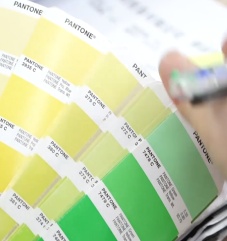
Color matching is normally done against a Pantone reference supplied by the buyer. Providing the exact Pantone codes, together with any brand guidelines for logo placement, allows the development team to prepare lab dips and material swatches for approval. Because the same color can look different on leather, suede and textile, approving swatches on the actual upper material is strongly recommended.
Finally, consider how many colorways to launch with. A focused core range, with additional colors added after the first sell-through, is often easier to manage than a wide first order. Fuzhou Polaris can advise on colorway planning as part of a standard OEM or private-label inquiry.