
Understanding how a shoe is made helps buyers plan realistic timelines and spot where their input matters most. Although details vary by style and construction, most footwear passes through the same core stages.
It begins with pattern development, where the design is translated into technical patterns for every part of the upper and every size in the grading range. Materials are then cut, and components are skived or reinforced as needed before moving to stitching, where the upper pieces are joined, linings are added and logos or decorative details are applied.
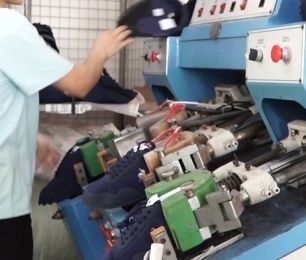
Lasting follows: the finished upper is pulled over a last, the foot-shaped form that defines the fit, and attached to the sole using cemented or vulcanized construction depending on the design. After lasting, the shoes go through finishing, which includes cleaning, trimming, inserting insoles and applying final details before packing.
Quality checks run alongside these stages rather than only at the end, covering material inspection, stitching and bonding strength, symmetry, size accuracy and appearance. Sharing clear specifications and approved samples early gives the factory a reliable reference for every stage. Buyers are welcome to review the process with the Polaris development team when planning a new program.